
By Dr. Kritika Joshi, DO
As a primary care physician, I often hear patients ask: “Doctor, how can I live longer?” But the more important question is often: “How can I live better for longer?” That’s where health span comes in.
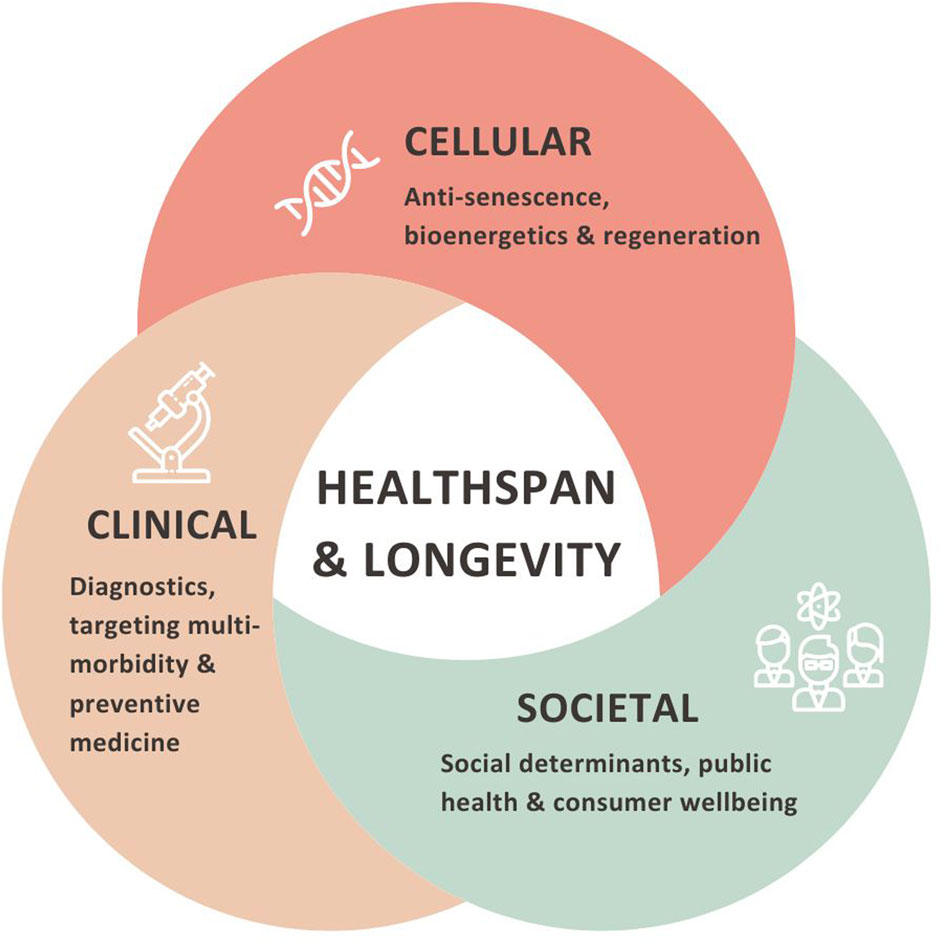
Lifespan is simple: it’s the total number of years you live. Healthspan, on the other hand, measures the quality of those years—how long you can live free from chronic disease, cognitive decline, and functional limitations. In other words, it’s not just about adding years to life, but life to years.
Many people focus solely on lifespan—chasing longevity hacks or supplements—without considering how those extra years feel. Healthspan is about optimizing energy, mobility, mental clarity, and overall vitality.
One of the most inspiring insights into healthspan comes from Blue Zones, regions around the world where people live long, vibrant lives. If you haven’t seen it, it’s an easy to watch Netflix documentary perfect for your next weekend binge. Key points include:
Plant-forward diets: Beans, vegetables, and whole grains are staples.
Movement as a lifestyle: Daily physical activity—not just workouts—keeps bodies strong.
Purpose and community: Strong social networks and a sense of purpose correlate with longer, healthier lives.
In my practice, I often encourage patients to incorporate these lifestyle principles alongside personalized medical strategies.
Longevity enthusiasts like Bryan Johnson are pushing the boundaries of healthspan through rigorous monitoring, advanced labs, and cutting-edge therapies. While not every intervention is necessary for everyone, these examples highlight the growing trend of precision health, where data-driven decisions guide personalized care.
Functional health focuses on keeping the body’s systems operating optimally. This includes:
Cardiovascular fitness
Hormone balance
Cognitive resilience
Gut health and nutrition
In my practice, I can tailor labs, lifestyle guidance, and preventive strategies to help you maintain peak function well into your later years by combining multiple approaches.
Recent research on peptides—short chains of amino acids that regulate bodily processes—is showing promise in areas like:
Tissue repair and recovery
Cognitive function
Immune system support
Detailed labs and biomarker tracking
Personalized nutrition and lifestyle optimization
Evidence-based supplementation
Access to innovative therapies like peptide protocols when appropriate
The goal isn’t just to extend life, but to ensure those extra years are vibrant, active, and disease-free.
In good health,
Dr. Joshi