
By Dr. Kritika Joshi, DO
Most people think of the skin as something to treat from the outside — with creams, serums, or prescriptions. But in reality, your skin is your body’s largest organ of communication. When it’s inflamed, breaking out, or reacting, it’s often sending a message about what’s happening inside.
Growing up in an Indian household, I’ve always been around naturopathic and holistic philosophies toward health that stem from ancient Indian ayurvedic principles. The field of integrative dermatology is exactly this. It goes deeper than surface-level solutions looking for for root causes in the gut, hormones, immune system, and lifestyle — because clear, vibrant skin starts with internal balance.
Your skin acts as a mirror for your metabolic, hormonal, and immune health. Chronic rashes, acne, or redness may seem like external issues, but they often stem from inflammation in the gut, liver, or endocrine system.
If your internal environment is overloaded — with toxins, imbalanced gut bacteria, nutrient deficiencies, or stress aka high cortisol — your skin is often the first place those imbalances appear.
Gut dysbiosis or “leaky gut”
Hormonal fluctuations
Food sensitivities and allergies, or chronic inflammation
Nutrient deficiencies (zinc, vitamin D, essential fatty acids)
Poor sleep and stress-related cortisol spikes
When we rebalance the inside, the outside naturally calms down.
The gut and the skin are linked through immune pathways and the microbiome — the network of bacteria that lives in and on your body.
When gut bacteria become imbalanced, toxins and inflammatory molecules can “leak” into the bloodstream, triggering flare-ups such as:
Acne (especially jawline or back acne)
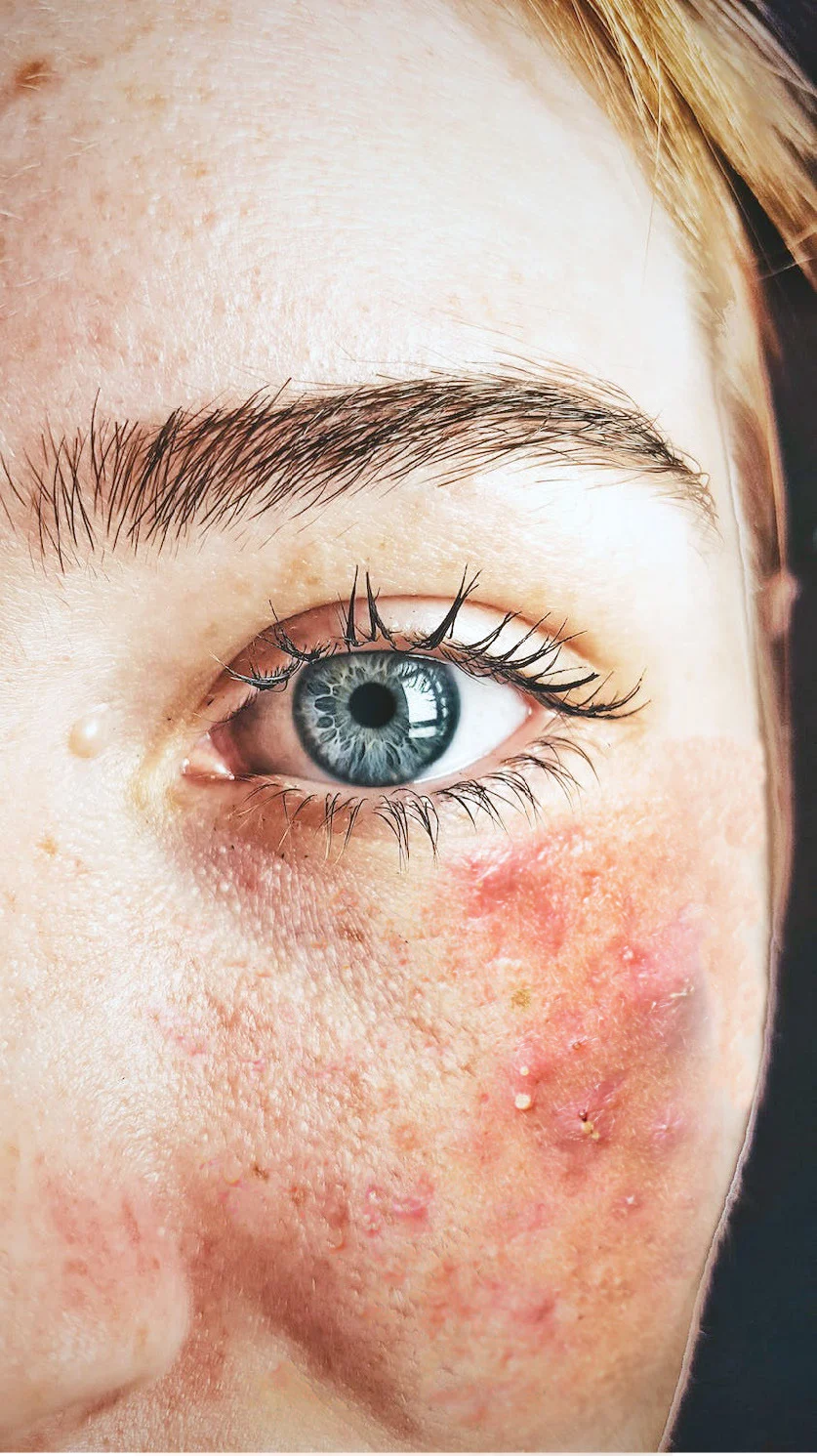
Rosacea and persistent redness
Eczema or dry, itchy patches
Psoriasis and autoimmune rashes
Supporting the gut often leads to dramatic skin improvement — even when topical treatments have failed.
I may order:
Comprehensive stool and microbiome testing
Food sensitivity panels
Inflammatory and nutrient labs
Hormonal and stress marker analysis
By understanding your internal ecosystem, we create a treatment plan that restores balance — not just masks symptoms.
Inflammation is your body’s natural defense mechanism. But when it becomes chronic, it starts to show up everywhere — including your skin.
Excessive inflammation can:
Disrupt the skin barrier, leading to dryness or rashes
Increase oil production, clogging pores
Alter immune responses, worsening eczema or psoriasis
Delay wound healing and promote premature aging
The key is to identify why your inflammation is elevated — whether it’s stress, poor diet, infection, or hormonal imbalance, or other autoimmune pathways — and then tailor your care accordingly.
If you’ve tried every cream or prescription with limited success, it may be time for an integrative approach to skin health.
In good health,
Dr. Joshi